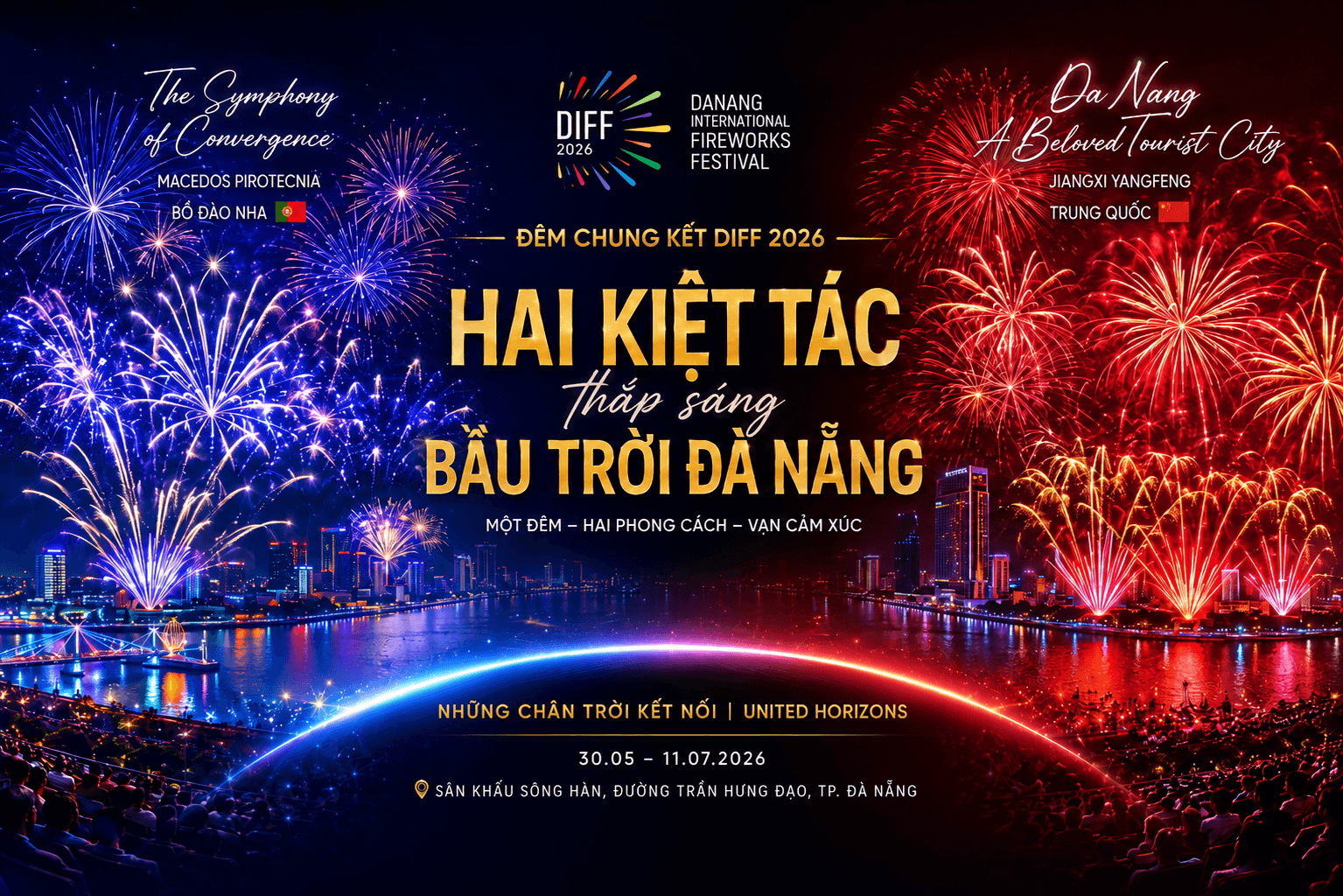
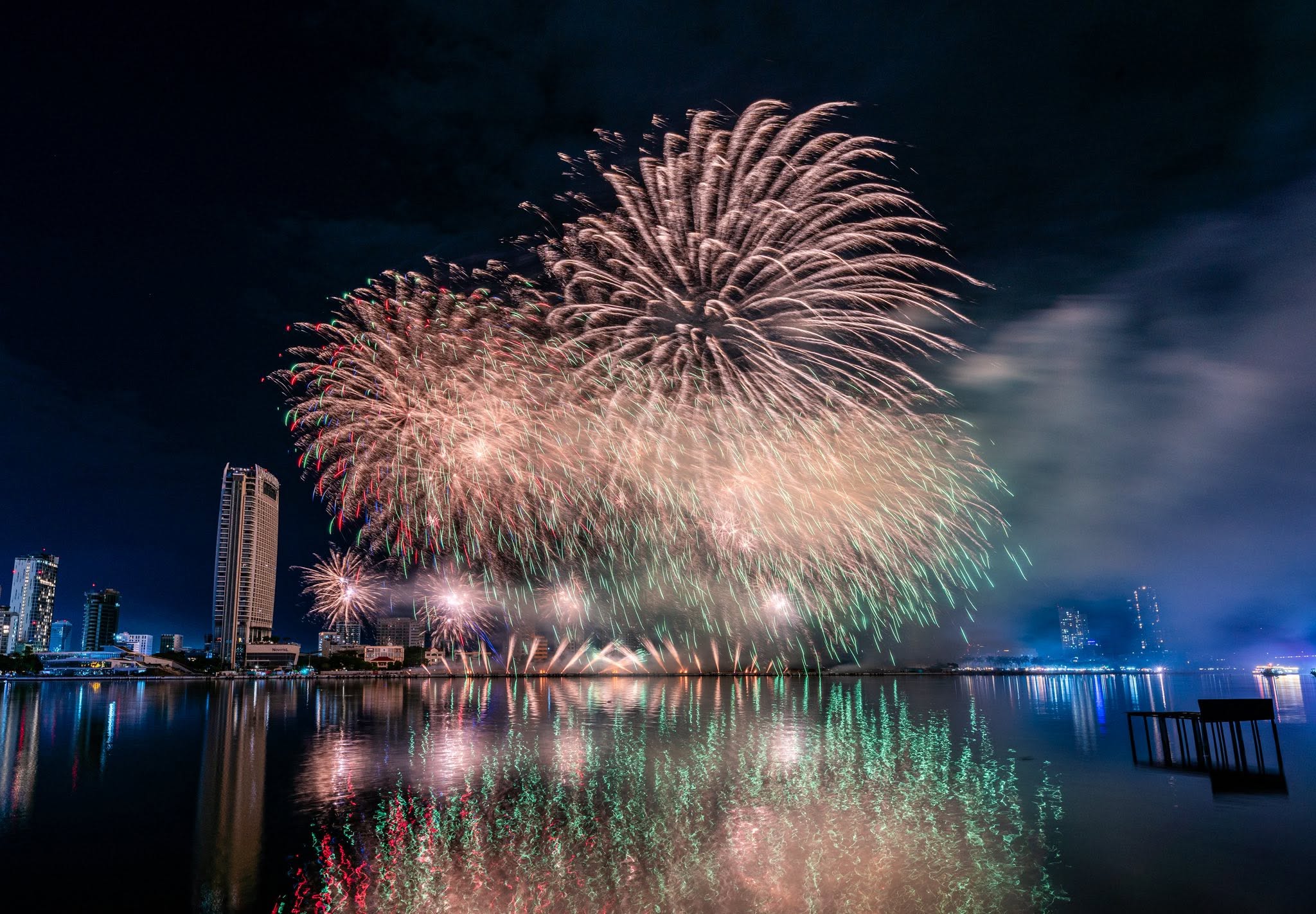
The third night of the 2026 Da Nang International Fireworks Festival (DIFF) closed with a distinctive tone as Team Japan brought the spirit of Wabi-Sabi to light up the Han River sky. Amid the lively festival atmosphere, this performance created an emotional pause, where beauty stemmed not from extravagance but from subtle movements, slow rhythms, and rich cultural depth.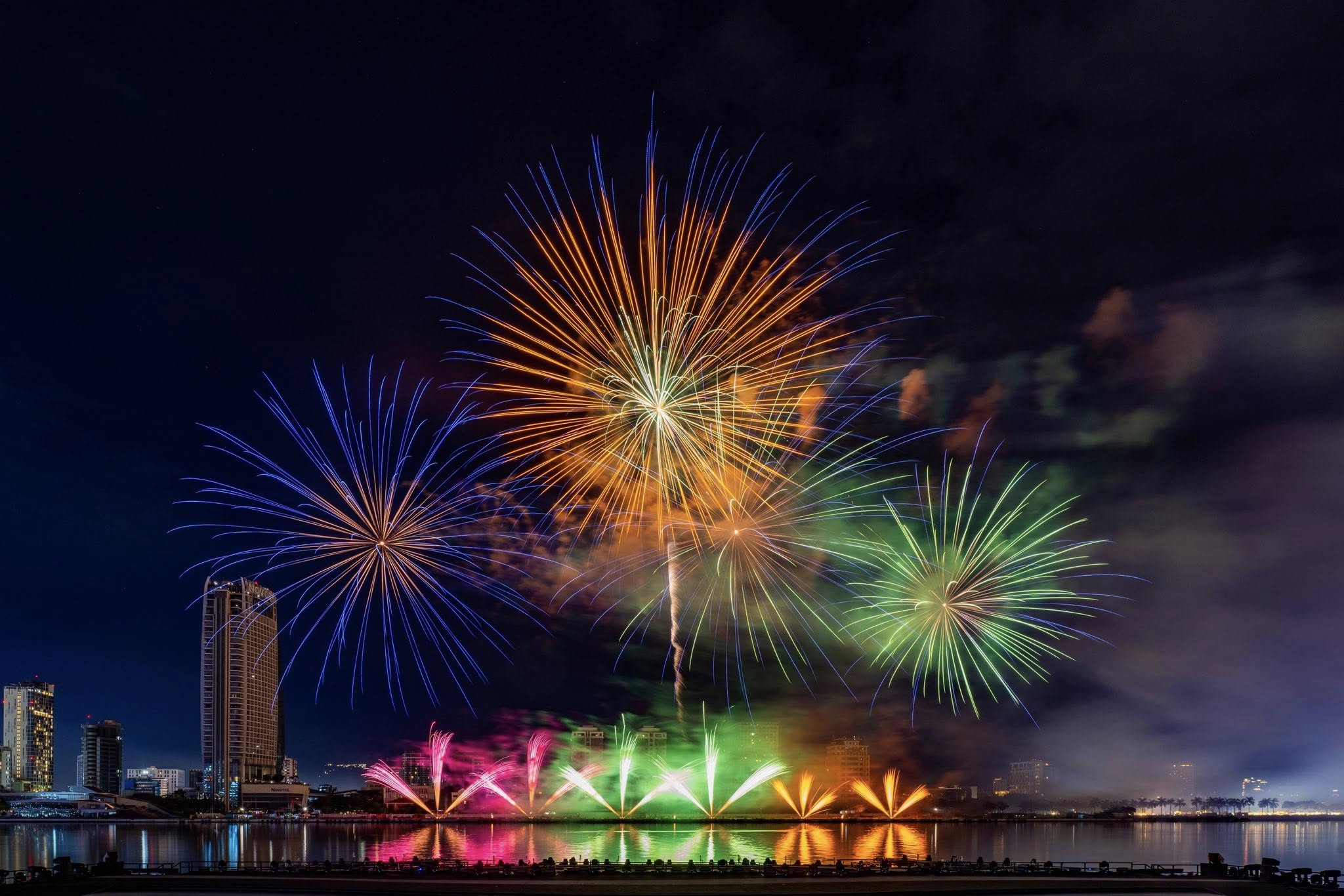
DIFF Night 3 Held on June 13, 2026
The third competition night of DIFF 2026 took place on Saturday, June 13, 2026, featuring a cultural showdown between Japan and Italy along the Han River. This event attracted large crowds of live spectators and quickly became one of the most talked-about nights of the festival season.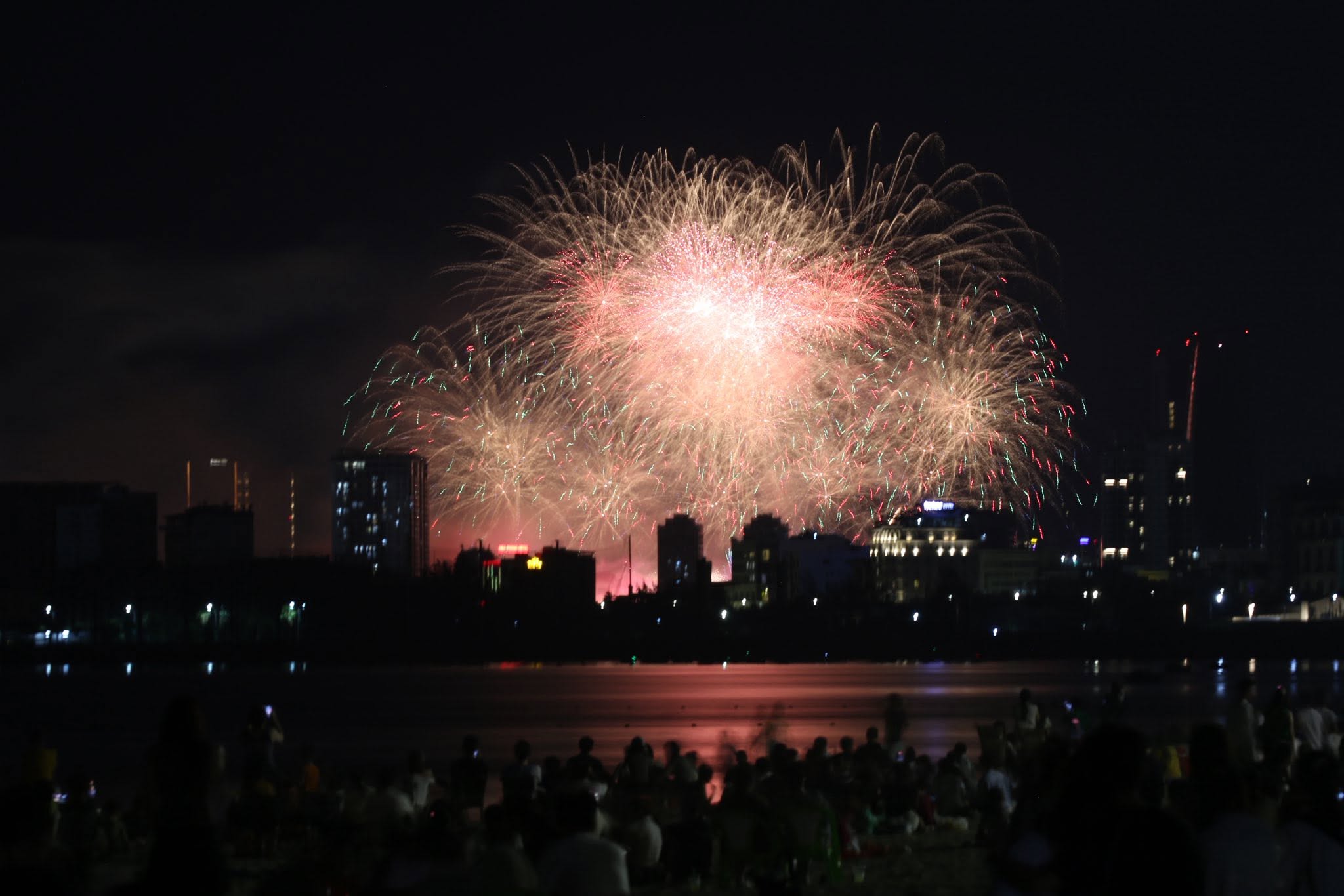
The clash between Asian and European fireworks styles added special appeal to the night. While Team Italy emphasized dramatic movements and strong rhythms, Team Japan chose storytelling through restraint, subtlety, and deep cultural expression.
For upcoming event schedules, you can check the Da Nang Fireworks Festival 2026 Schedule.
How Did Wabi-Sabi Shape Team Japan’s Performance?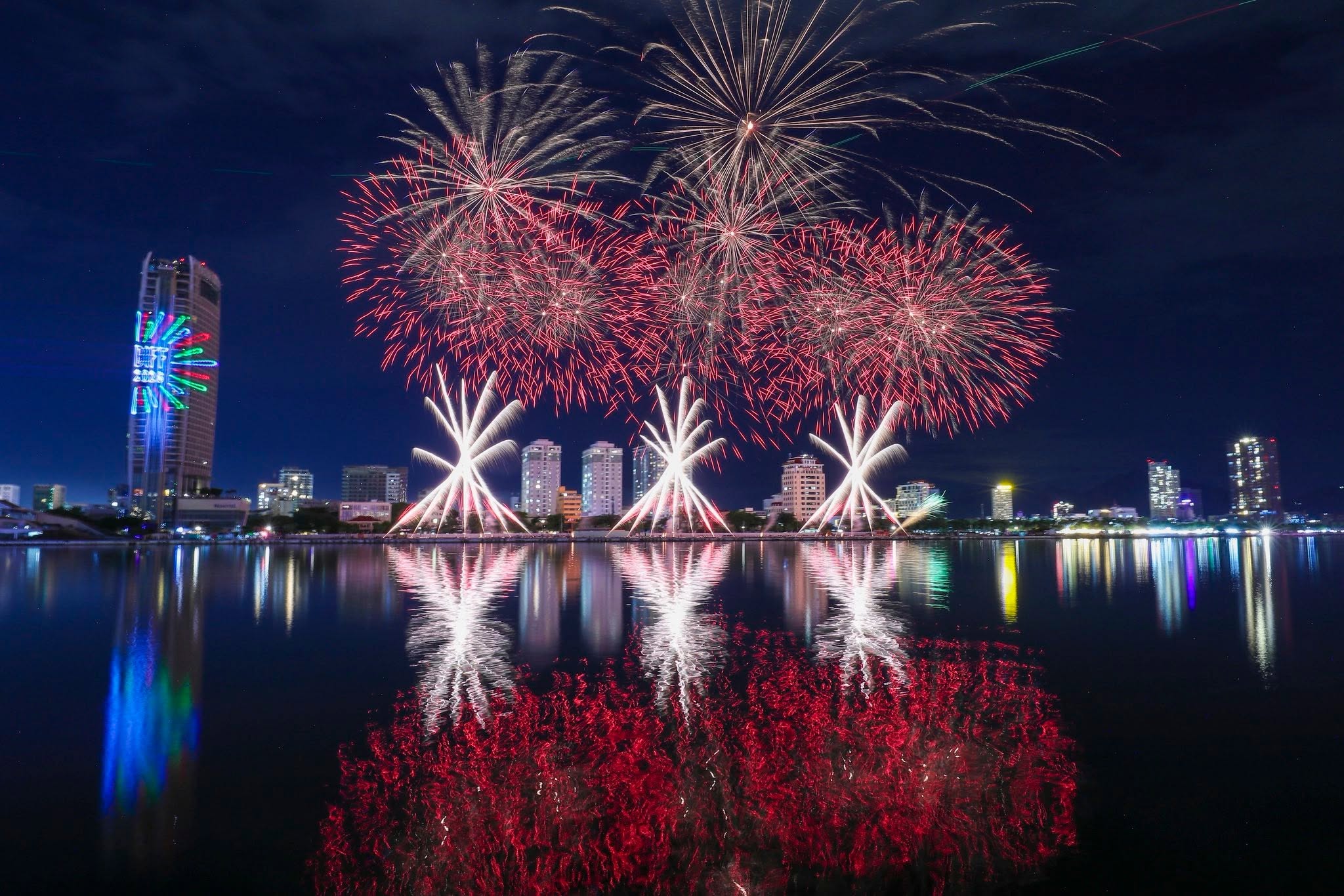
Wabi-Sabi is a well-known Japanese aesthetic philosophy that values simplicity, naturalness, impermanence, and imperfection. On the night of June 13, this spirit was clearly reflected in Team Japan’s pacing: not overwhelming or continuous fireworks but emotional guidance through soft light layers, well-timed pauses, and balanced overall composition.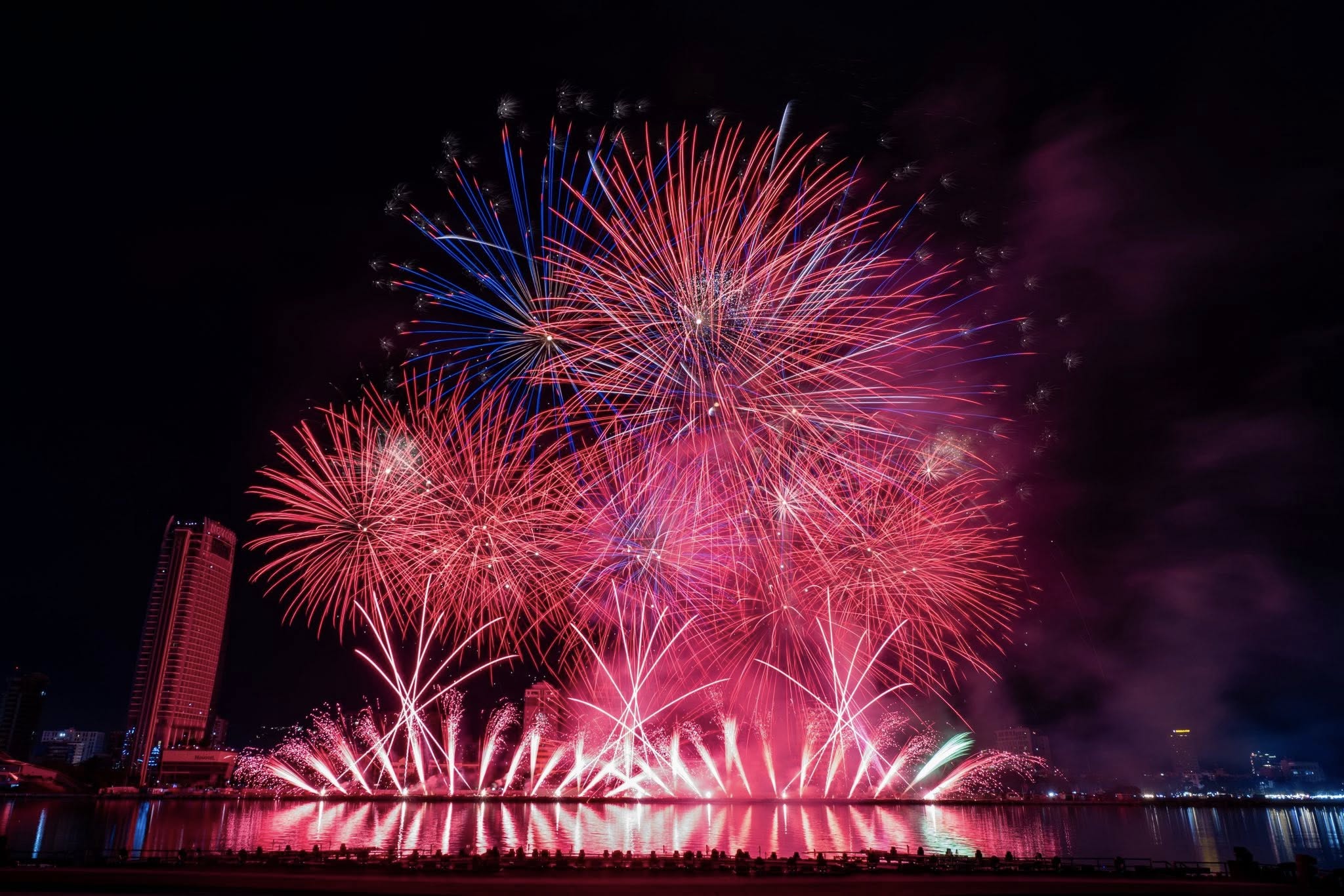
The highlight was a calming atmosphere. Each cluster of fireworks not only dazzled but also evoked emotions, inviting spectators to slow down and appreciate color shifts, descent speed, and rhythm. This is why Team Japan’s display was seen as uniquely different from the usual high-energy, nonstop fireworks shows.
Memorable Highlight: The Nishiki Kamuro Effect
One of the most striking moments in Team Japan’s show was the Nishiki Kamuro effect. Against the night sky, soft descending light trails resembling willow branches created a profound and tranquil sensation. This effect is awaited by many fireworks enthusiasts for its ability to provide visual depth and a lasting emotional impression.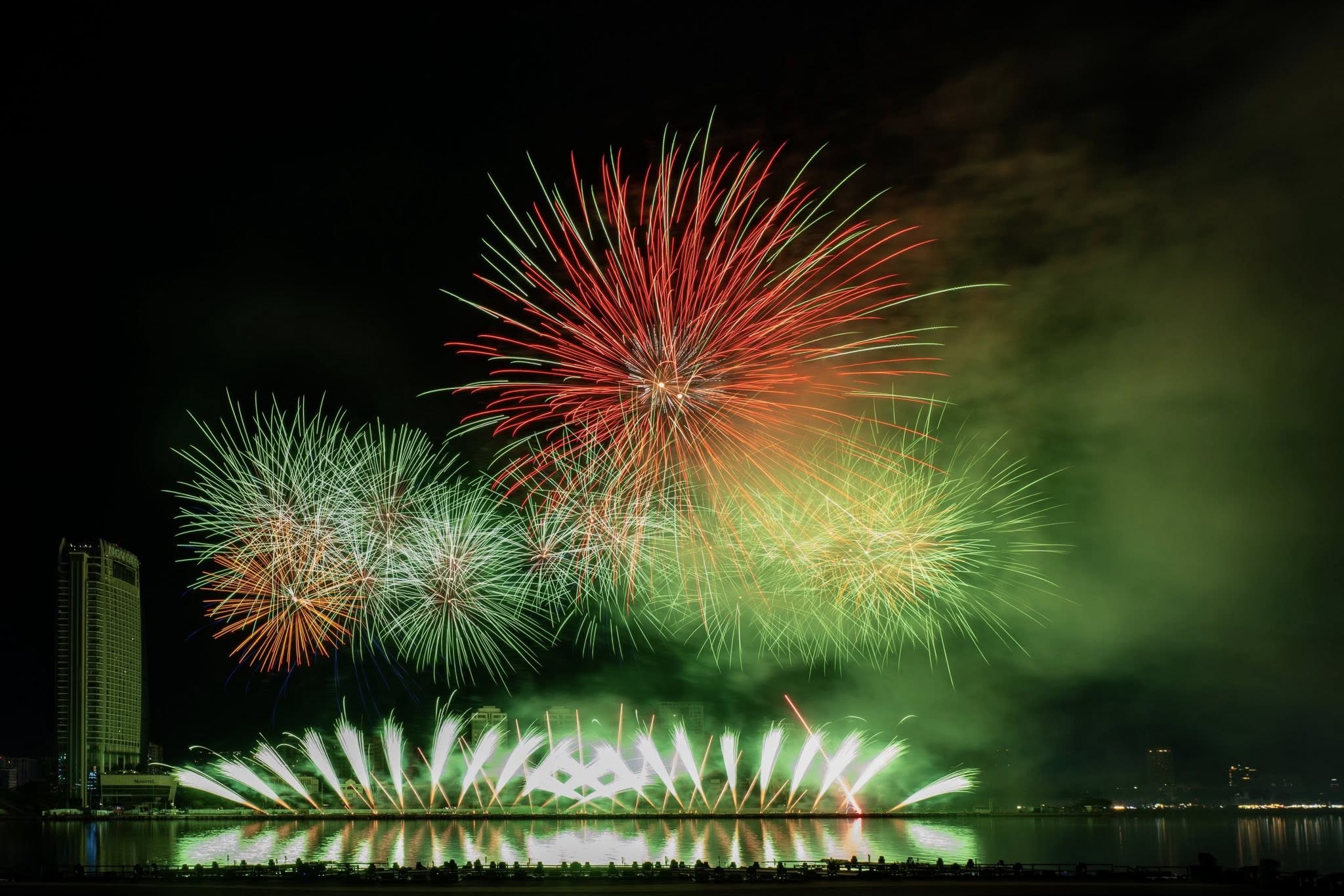
Unlike intense, densely-packed fireworks, Kamuro captivates with slow falls, sustained light, and gentle beauty. Paired with the soundtrack, layers of fireworks bloom and softly descend, forming a rhythmic light painting that is both graceful and poetic.
Additionally, Team Japan was praised for its use of single-shot fireworks and controlled choreography, reducing surface-level showiness to focus on precision, musicality, and overall emotional impact. This approach lent a strong Japanese cultural signature perfectly aligned with the Wabi-Sabi spirit.
Why Was Team Japan’s Performance So Anticipated?
Before the show, the Japan vs. Italy face-off was regarded as one of DIFF 2026’s most anticipated matches. After the night, public interest heightened, as viewers witnessed two totally distinct storytelling methods under the same sky.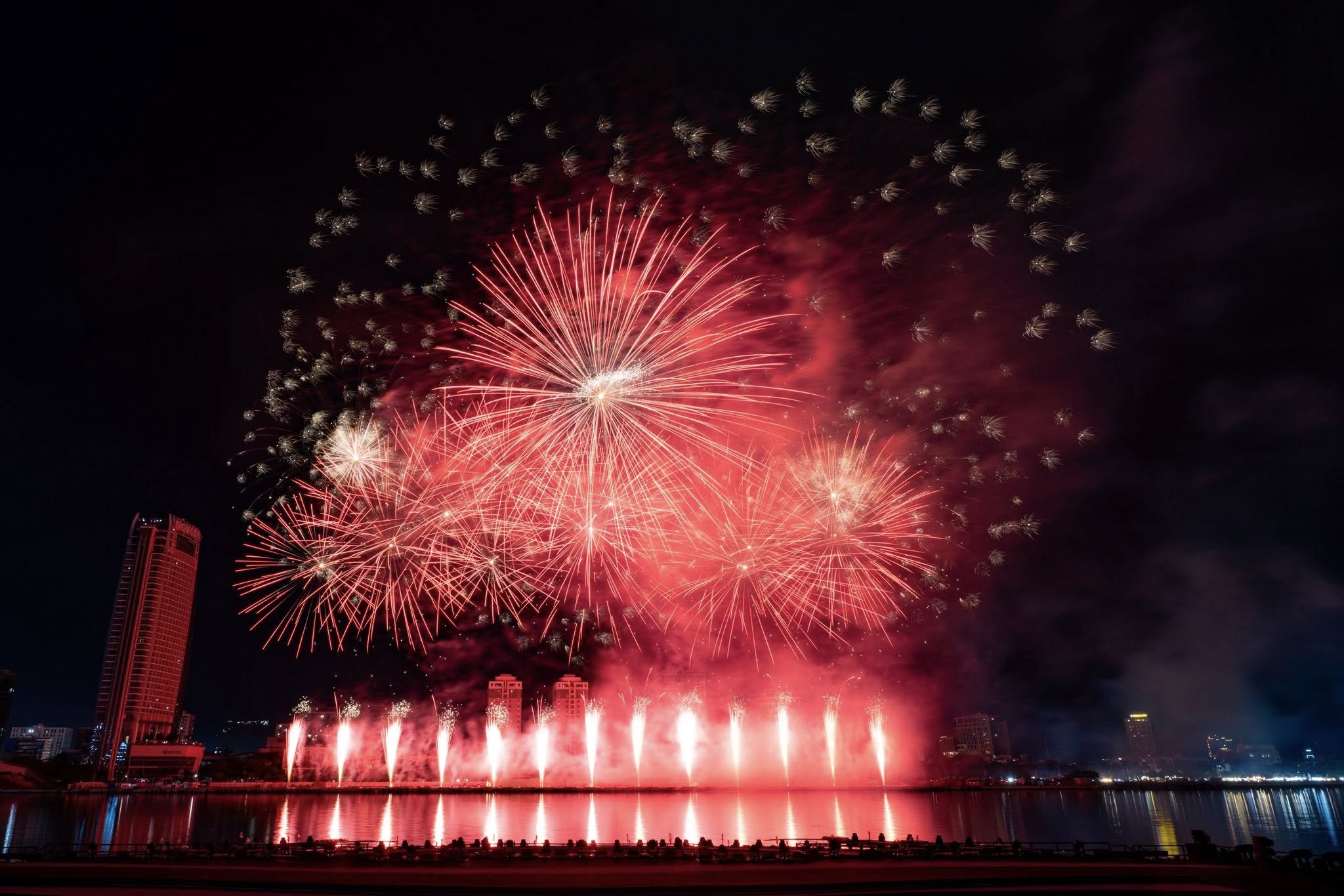
While Team Italy delivered drama and dynamic bursts, Team Japan left a mark with calm precision and deep emotion. This contrast not only made the competition more thrilling but also highlighted how each country embeds cultural heritage within fireworks art.
What Makes Watching Wabi-Sabi-Style Fireworks Different?
For many spectators, this style offers growing beauty the more you focus. Wabi-Sabi fireworks don’t overwhelm at first; instead, they win hearts slowly with enduring emotional layers. Soft movements, well-placed pauses, and moderated colors make the show sophisticated.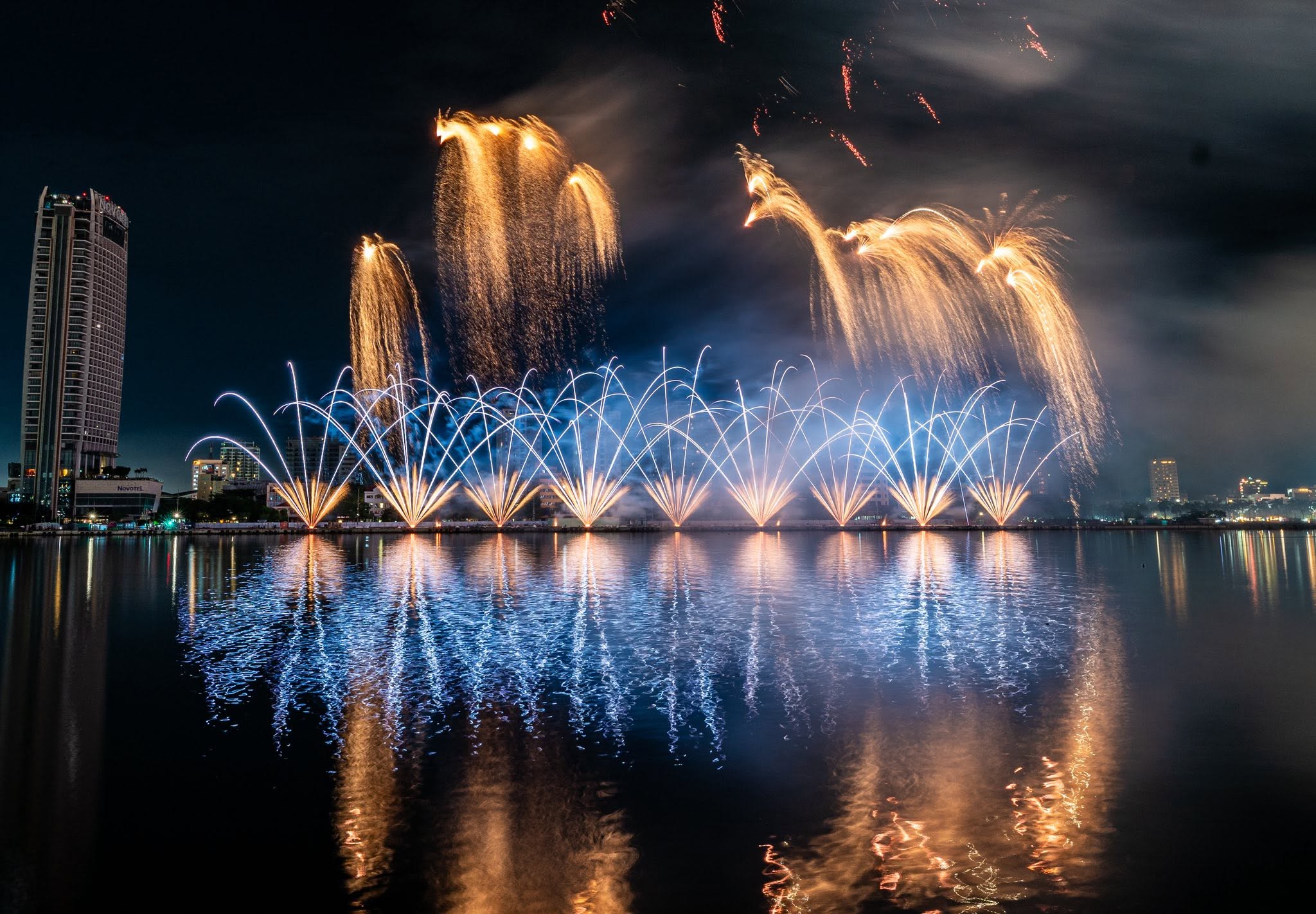
Along the Han River, water reflections enhanced the visual impact of slow-falling effects like Kamuro. This element contributed to an unforgettable night remembered not just for technical skill but for the unique emotional experience left behind.
Best Viewing Spots to Fully Appreciate Team Japan’s Effects
Those who attended on June 13 noticed that Team Japan’s fireworks style works best with a wide, direct view of the launch area. A clear, open line of sight helps viewers catch the soft descents, overlapping light layers, and rhythm of the fireworks clusters.
The main grandstand remains a convenient choice for watching the full stage, synchronized music, and aerial show simultaneously. If planning for upcoming nights, check out this guide to the best viewing spots for Da Nang fireworks to select the perfect location.
What’s Next After Night 3?
Following Japan and Italy’s performances, DIFF 2026 continues with more competition nights in June and the grand finale in July. Viewers eager to follow the festival should keep up with schedules, dates, and ticket info for the remaining shows.
Get the latest updates and book tickets directly at DIFF 2026 official fireworks tickets.
Quick FAQs About Team Japan’s Night 3 Performance
When was DIFF 2026 Night 3 held?
The third competition night was on June 13, 2026, featuring a showdown between Japan and Italy.
What was the theme of Night 3?
The theme was Culture, highlighting each team’s unique identity through fireworks and music.
What makes the Kamuro fireworks special?
Kamuro features soft, slow-falling sparks with long-lasting light resembling cascading willow branches. It is a signature effect in Japanese fireworks displays.
Why is Wabi-Sabi often mentioned regarding Team Japan’s show?
Because Wabi-Sabi emphasizes simplicity, emotional depth, and refined beauty. On June 13, this was evident through pacing and lighting arrangement.
How to prepare for upcoming nights?
Monitor the competition schedule, choose viewing spots with a wide view, and book tickets early for DIFF 2026's remaining nights.
Conclusion
Team Japan’s performance on DIFF Night 3 left a distinct mark through a blend of signature fireworks techniques and the deep spirit of Wabi-Sabi. Amid the festival’s lively energy, it offered a gentler, more refined segment that resonated emotionally with many viewers.
If you want to follow the rest of DIFF 2026, regularly check the Da Nang Fireworks Festival 2026 Schedule and stay updated with official event details.
.jpg)